
The Silent Eye Diseases That Develop Without Symptoms
Many people assume that as long as they can read small print and see clearly from a distance, their eyes are perfectly healthy. However, this is a dangerous misconception that leaves millions vulnerable to permanent vision loss. The Silent Eye Diseases That Develop Without Symptoms are stealthy conditions that slowly and irreversibly damage your vision long before you notice any warning signs. By the time blurriness or blind spots become apparent, the physical damage to the eye’s internal structures is often permanent.
Because these conditions hide behind clear vision in their early stages, proactive eye care is the only effective defense. Consulting a highly trained Doctor of eye in thane is critical for identifying microscopic changes in your optic nerve or retina. Routine comprehensive eye exams act as an early warning system, allowing medical professionals to intervene before your quality of life is impacted.
What Are Silent Eye Diseases?
Silent eye diseases refer to a group of ocular conditions that progress without causing pain, redness, or noticeable changes in visual acuity during their initial phases. These diseases typically attack the peripheral vision first or cause microscopic damage to the back of the eye. Because the human brain is incredibly adept at “filling in” missing visual information, patients remain completely unaware of the developing problem.
Simply put: These diseases are like termites in a house; the structural damage is happening quietly behind the walls long before the foundation actually collapses. Detailed explanation: Medically, these conditions often involve the gradual deterioration of nerve fibers or blood vessels within the retina and optic nerve. Because the retina lacks pain receptors, inflammation or bleeding occurs without any physical discomfort. State-of-the-art diagnostic imaging available at the best eye clinics in Thane is required to visualize these internal structures and map out any areas of concern.
Glaucoma: The Sneak Thief of Sight
Glaucoma is perhaps the most notorious of all asymptomatic eye conditions, earning its nickname as the “sneak thief of sight.” It is typically characterized by an abnormal buildup of intraocular fluid, which drastically increases the pressure inside the eye. Over months and years, this elevated pressure compresses and destroys the delicate fibers of the optic nerve, which is responsible for transmitting visual data to your brain.
In its most common form, Primary Open-Angle Glaucoma, there are absolutely zero symptoms until the disease reaches an advanced stage. The vision loss begins at the extreme outer edges of your peripheral vision, making it nearly impossible to detect on your own. As the disease progresses, it slowly creates a “tunnel vision” effect.
Once vision is lost to glaucoma, it cannot be restored. However, when caught early, prescription eye drops or minor laser procedures can halt the disease in its tracks. For specialized diagnosis and management of this condition, visiting an Eye Specialist Doctor Thane is your safest course of action.
Diabetic Retinopathy: A Hidden Threat
If you suffer from Type 1 or Type 2 diabetes, you are at a high risk for developing diabetic retinopathy. This condition occurs when chronically high blood sugar levels damage the tiny blood vessels that supply oxygen and nutrients to the retina. In the early stages, known as Non-Proliferative Diabetic Retinopathy, the blood vessels may swell and leak fluid into the eye, yet the patient will experience no pain or visual distortion.
As the disease advances to the Proliferative stage, the eye attempts to grow new blood vessels to replace the damaged ones. Unfortunately, these new vessels are highly fragile and prone to hemorrhaging directly into the vitreous fluid of the eye. This can lead to sudden, severe vision loss or retinal detachment.
Diabetic patients require annual dilated eye exams regardless of how perfectly they can see. A skilled Eye Doctor in Thane will dilate your pupils to thoroughly examine the vascular health of your retina, ensuring that any microscopic bleeding is caught and treated with laser therapy before it escalates.
Age-Related Macular Degeneration (AMD)
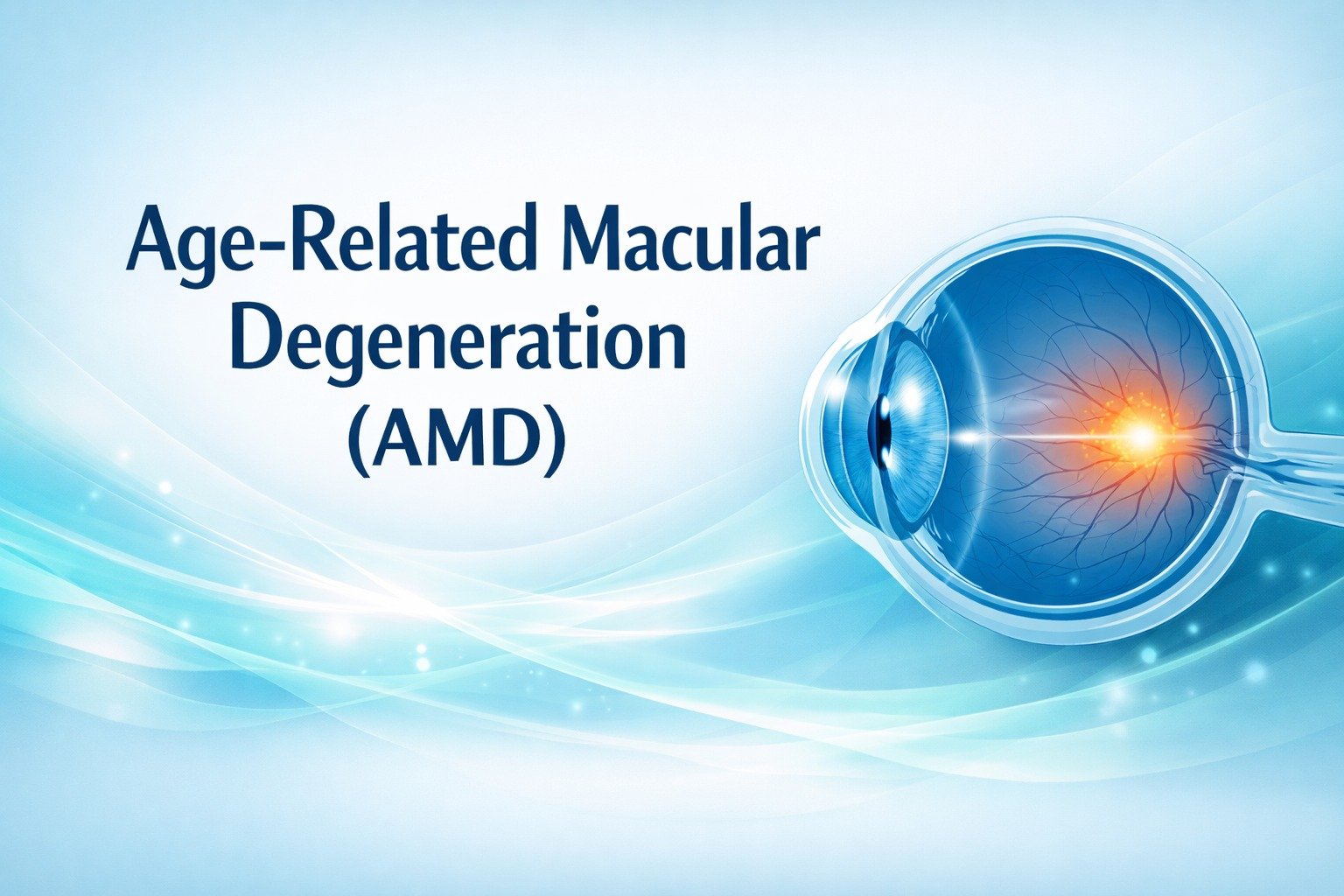
Age-Related Macular Degeneration (AMD) is a leading cause of vision loss among adults over the age of 50. Unlike glaucoma, which attacks peripheral vision, AMD targets the macula—the small central portion of the retina responsible for sharp, detailed, straight-ahead vision.
In Dry AMD, which accounts for the vast majority of cases, tiny yellow deposits called drusen form under the macula, slowly thinning the tissue. This process happens gradually and painlessly. Patients may eventually notice that straight lines appear slightly wavy or that they need brighter lights to read, but early stages are entirely asymptomatic.
There is currently no outright cure for AMD, but specific nutritional supplements and lifestyle changes can dramatically slow its progression. Finding the best eye doctor in thane ensures you receive a proper evaluation of your macula, helping you maintain your independence and ability to read, drive, and recognize faces.
Comparing Silent Eye Diseases
Eye Disease | Primary Target Area | Mechanism of Damage | Early Symptoms |
Glaucoma | Optic Nerve | High intraocular pressure | None (Peripheral loss later) |
Diabetic Retinopathy | Retinal Blood Vessels | High blood sugar leaking vessels | None (Floaters/blur later) |
Macular Degeneration | Macula (Central Retina) | Tissue thinning & Drusen deposits | None (Wavy lines later) |
How Dr. Ruchika Kedia Protects Your Vision
When dealing with asymptomatic conditions, the experience and technology of your chosen medical professional make all the difference. Dr. Ruchika Kedia operates a highly respected, patient-first practice designed to catch these invisible threats before they cause harm. Her clinic utilizes advanced imaging technologies, such as Optical Coherence Tomography (OCT), which provides high-resolution, cross-sectional images of the retina.
Every consultation with this dedicated Eye Specialist in Thane is comprehensive, focusing on long-term ocular health rather than just updating your glasses prescription. By taking a proactive approach to eye care, she helps patients manage their risk factors effectively. Many satisfied patients leave reviews pointing to her clinic as the home of the Best eye specialist thane highlighting her compassionate care and diagnostic accuracy.
Proactive Steps to Protect Your Eyesight
While you cannot stop aging or alter your genetics, you can take significant steps to lower your risk of developing silent eye diseases.
- Schedule Annual Exams: A dilated eye exam is the only way to look inside the eye and check the health of the blood vessels and optic nerve.
- Manage Systemic Health: Keep your blood pressure, cholesterol, and blood sugar strictly controlled, as these systemic issues directly impact your eyes.
- Wear UV Protection: Cumulative exposure to the sun’s ultraviolet rays can accelerate the development of macular degeneration. Always wear sunglasses with 100% UV protection.
- Eat a Vision-Healthy Diet: Consume plenty of dark leafy greens, fish high in omega-3 fatty acids, and foods rich in Vitamin C and E.
The most dangerous threats to your vision are the ones you cannot feel or see. The Silent Eye Diseases That Develop Without Symptoms, including glaucoma, diabetic retinopathy, and age-related macular degeneration, progress quietly and cause irreversible damage. Relying solely on your visual acuity as a measure of eye health is a risky gamble. The only proven method to protect your eyesight for the long term is through early detection via routine, comprehensive dilated eye exams performed by a qualified medical professional. Taking an hour out of your year for an eye exam is a small investment that pays lifelong dividends in preserving your vision.