
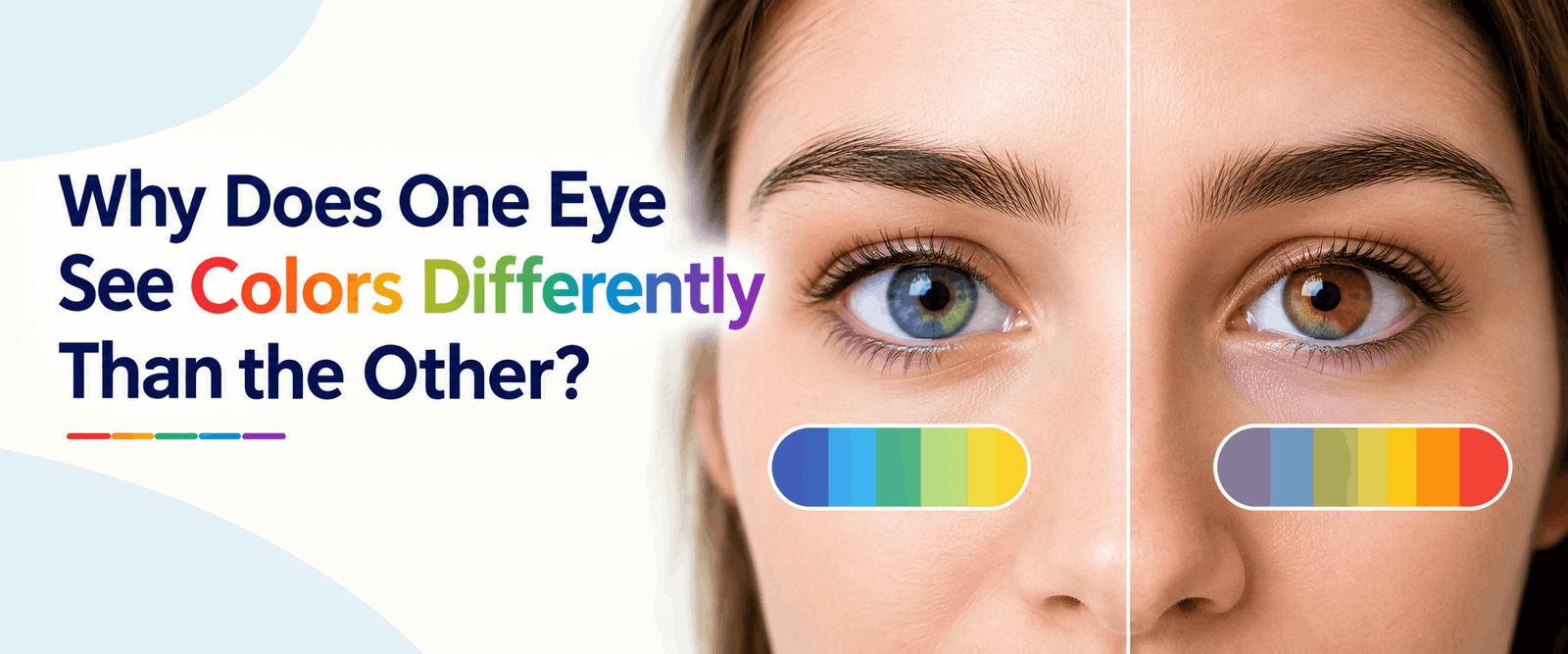
Why Does One Eye See Colors Differently Than the Other?
Have you ever noticed that one eye seems to see colors slightly differently from the other? If you are wondering, Why Does One Eye See Colors Differently Than the Other? the reason may range from a temporary change in the eye to an underlying eye condition. Small differences may not always be serious, but a sudden or noticeable change in color vision should not be ignored. An eye examination can help identify the cause and determine whether treatment is needed.
How Does the Eye See Colors?
Color vision depends on the retina and the visual pathway that carries information from the eye to the brain. The retina contains special cells called cones that help the eyes detect different colors and shades.
When light enters the eye, these cells respond to different wavelengths of light. The information is then sent through the optic nerve to the brain, where it is interpreted as color.
Normally, both eyes provide similar color information. However, if there is a difference in the retina, optic nerve, lens, or other parts of one eye, you may notice that colors look different between your two eyes.
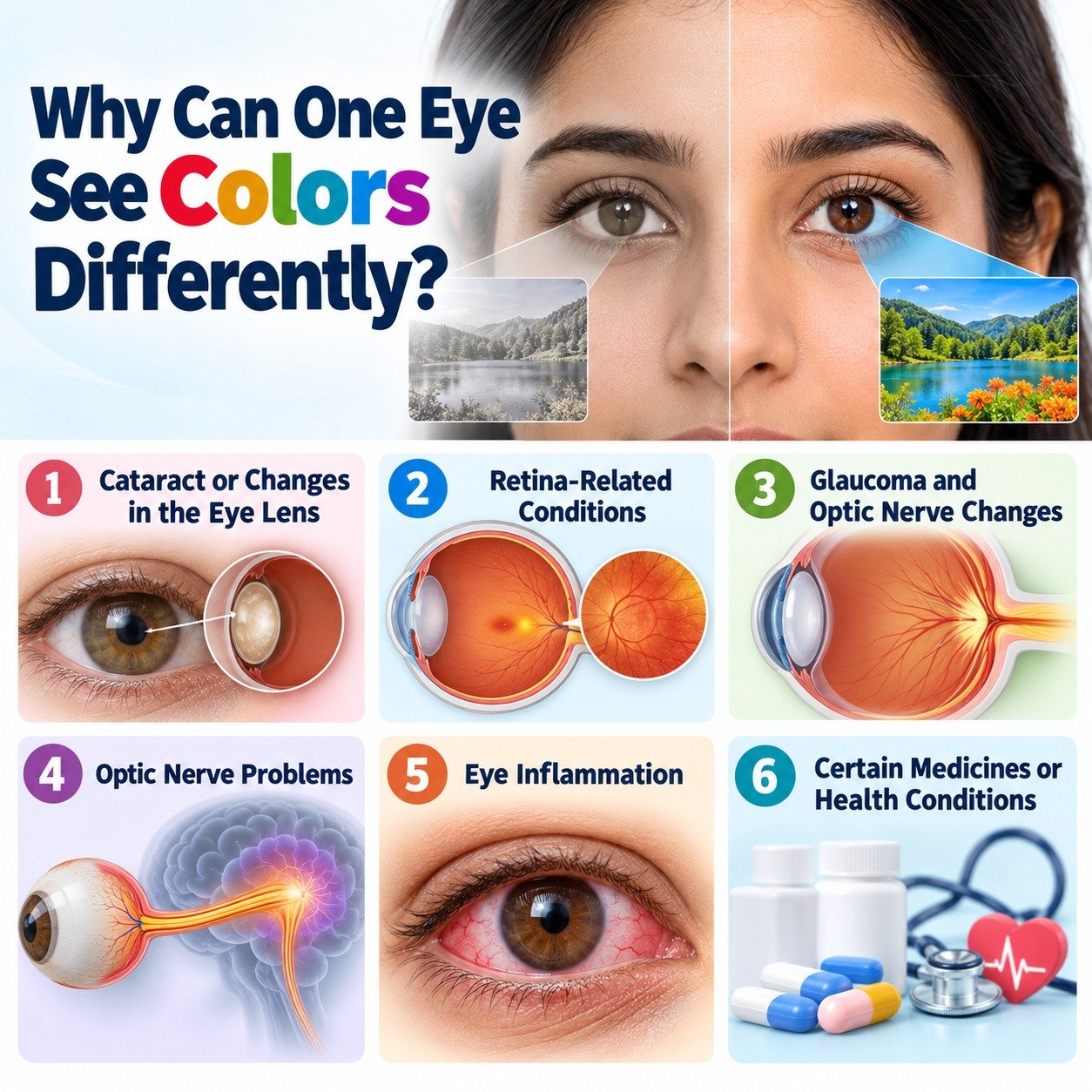
Why Can One Eye See Colors Differently?
There are several possible reasons why color perception may differ between the eyes.
1. Cataract or Changes in the Eye Lens
The natural lens of the eye helps focus light onto the retina. With age or certain eye conditions, the lens can become cloudy, resulting in a cataract.
A cataract may make colors appear duller, faded, yellowish, or less bright. If a cataract develops more in one eye than the other, the difference in color perception may become noticeable.
2. Retina-Related Conditions
The retina plays an important role in color and detailed vision. Changes affecting the retina can sometimes alter the way colors appear.
Conditions involving the macula or other parts of the retina may cause changes in central vision, contrast, or color perception. Symptoms may also include blurred vision, distorted lines, or difficulty seeing fine details.
If you experience these changes, a consultation with a retina surgeon may be recommended for a detailed evaluation.
3. Glaucoma and Optic Nerve Changes
Glaucoma is an eye condition that can damage the optic nerve, which carries visual information from the eye to the brain. In some cases, changes in contrast and color perception may occur.
Glaucoma does not always cause noticeable symptoms during its early stages. Regular eye examinations can therefore be important, especially for people who have risk factors for the condition.
Patients looking for Glaucoma Treatment in Thane should undergo a proper eye examination rather than relying only on symptoms.
4. Optic Nerve Problems
The optic nerve is responsible for transmitting visual information to the brain. If one optic nerve is affected by inflammation, compression, reduced blood supply, or another condition, vision may change in that eye.
Some people may notice that colors appear less bright or less intense through the affected eye. A sudden change in color vision, particularly when accompanied by pain or reduced vision, requires prompt medical attention.
5. Eye Inflammation
Inflammation inside the eye can affect vision in several ways. Depending on the part of the eye involved, you may experience blurred vision, light sensitivity, redness, pain, floaters, or changes in color perception.
Treatment depends on the underlying cause, so professional evaluation is important.
6. Certain Medicines or Health Conditions
Some medicines and systemic health conditions can affect the eyes or visual pathways. In some situations, this may result in changes in color perception.
If you notice a new visual change after starting a medicine, inform your doctor or eye specialist. Do not stop prescribed medication without medical advice.
When Should You See an Eye Specialist?
A small difference that has been present for a long time may not necessarily indicate a serious problem. However, you should arrange an eye examination if the change is new, persistent, or becoming more noticeable.
Seek prompt medical attention if color changes occur along with:
- Sudden reduction in vision
- Eye pain
- Blurred or distorted vision
- New flashes of light
- A sudden increase in floaters
- Loss of part of your visual field
- Headache or other sudden neurological symptoms
- Difficulty seeing objects clearly with one eye
An eye specialist can examine both eyes and compare their visual function.
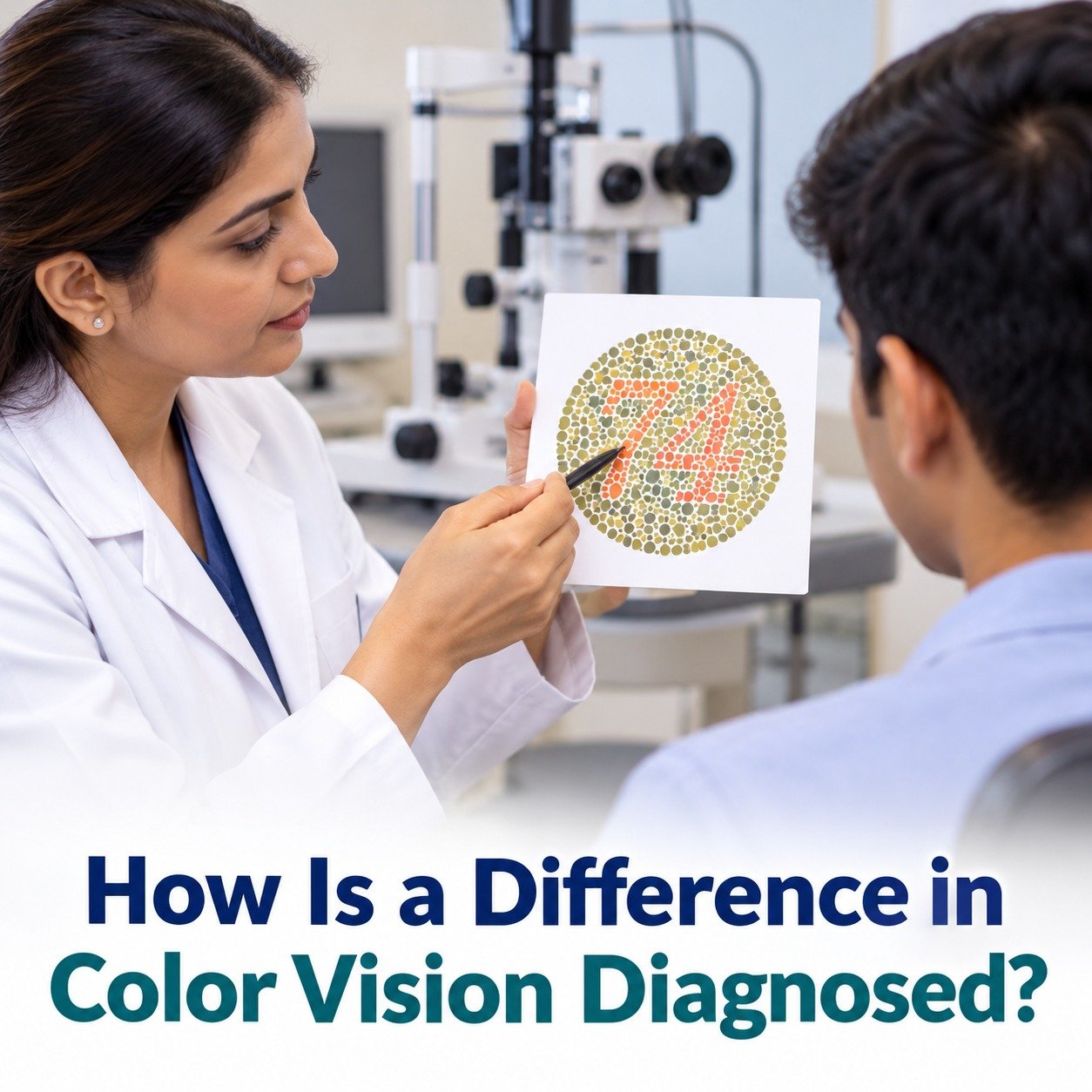
How Is a Difference in Color Vision Diagnosed?
An eye doctor may perform several tests depending on your symptoms and medical history.
The examination may include visual acuity testing, color vision testing, eye pressure measurement, pupil examination, slit-lamp examination, and a detailed examination of the retina and optic nerve.
Additional tests such as retinal imaging, visual field testing, or other investigations may be recommended when required.
If the examination suggests a retina-related problem, your doctor may recommend appropriate retinal evaluation or treatment. You can learn more about Retina Laser Treatment through the relevant clinic service information.
Can It Be Treated?
Treatment depends entirely on the cause.
For example, cataract-related color changes may improve after appropriate cataract treatment. Retina-related problems require treatment based on the specific condition. Glaucoma management may involve eye drops, laser procedures, surgery, or a combination of treatments depending on the patient’s condition.
People searching online for a Glaucoma Specialist Doctor in Thane should focus on getting a proper diagnosis first, because different eye conditions can produce similar visual complaints.
In cases where surgery is required, a Glaucoma Surgeon in Thane may evaluate the condition and recommend the appropriate surgical approach.
It is also important to understand that Glaucoma treatment cost in Thane can vary depending on the type of treatment, tests required, severity of the disease, and whether medicines, laser treatment, or surgery is needed. A consultation is necessary to understand the treatment plan and expected costs.
Can You Test Your Color Vision at Home?
You may find online color vision tests, but they should not replace a professional eye examination. Online tests can be affected by screen brightness, display settings, device quality, and viewing conditions.
If you notice that colors look different between your eyes, try covering one eye at a time and comparing the appearance of common objects. This can help you describe the change to your eye doctor, but it cannot identify the underlying cause.
Why Regular Eye Examinations Matter
Many eye conditions can develop gradually without obvious symptoms. Regular examinations allow an eye specialist to assess vision, eye pressure, the retina, optic nerve, and other important structures.
For people with diabetes, a family history of glaucoma, previous eye problems, increasing age, or other risk factors, regular eye check-ups can be particularly important.
Conclusion
A difference in color perception between the two eyes can have several causes, including cataract, retina-related changes, glaucoma, optic nerve problems, inflammation, or certain medicines and health conditions. While a mild difference may not always indicate a serious problem, a new or sudden change should be evaluated.
Dr. Ruchika Kedia provides eye care and evaluation for patients in Thane. If you notice that one eye sees colors differently from the other, a comprehensive eye examination can help determine the cause and guide appropriate treatment.
Frequently Asked Questions
A slight lifelong difference may occur in some people, but a new or noticeable difference should be evaluated by an eye specialist.
Glaucoma primarily damages the optic nerve and can affect different aspects of visual function. Changes in visual function should be evaluated through a comprehensive eye examination.
Yes. A cataract can make colors appear less bright, faded, or yellowish, particularly when the cataract is more advanced in one eye.
Yes. A sudden change in color perception, especially when accompanied by pain, blurred vision, flashes, floaters, or reduced vision, should receive prompt medical attention.